
Psychological Stress, Trauma, and Resilience
May 29, 2026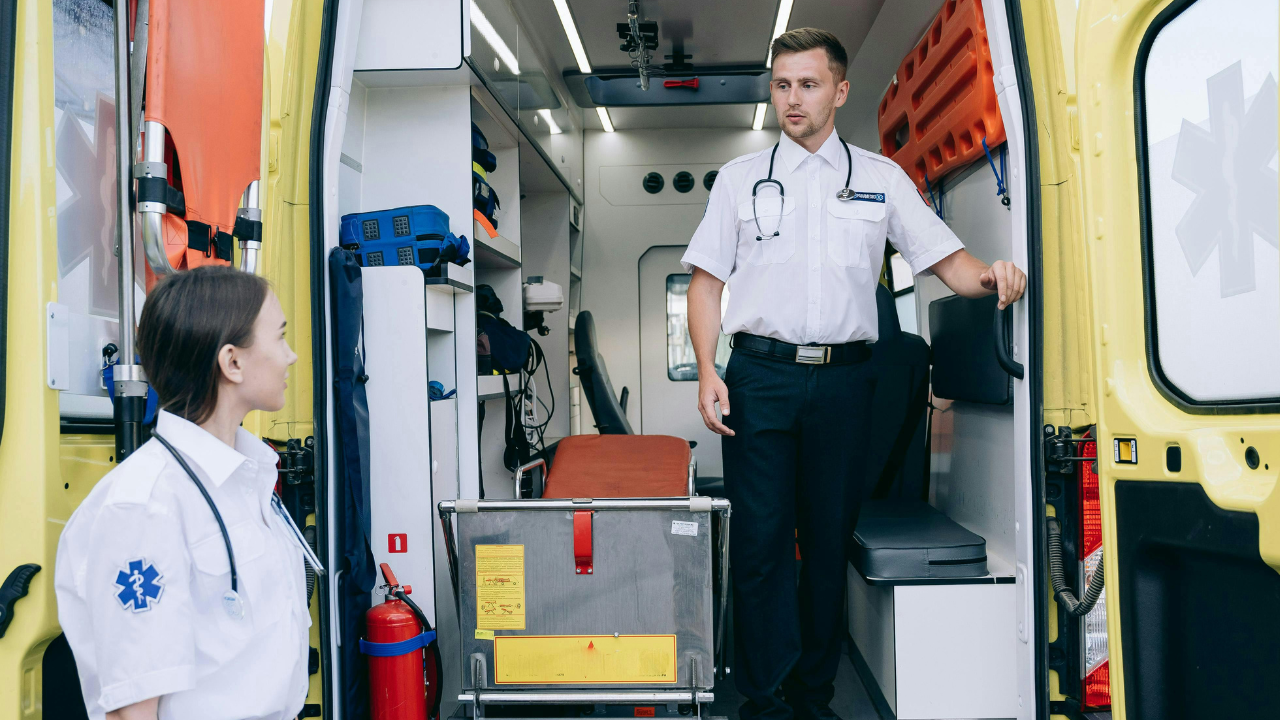
Workers in public-facing and high demand roles, such as public health and safety professionals, are at high risk of experiencing operational stress injuries. An operational stress injury is defined as any persistent psychological difficulty resulting from service-related duties. This may include various types of work-related psychological stress, including compassion fatigue, burnout, chronic stress, and mental illnesses such as PTSD, as well as anxiety and depression.
While prolonged workplace stress and exposure to traumatic events are part of their unique occupational demands, workers and organizations can put protections in place to prevent or reduce psychological harm. The longer that mental health symptoms are experienced and not addressed, the greater the difficulty in treatment and reengagement in daily life.
Risk Factors for Workers
Workers in public service, first responder, healthcare, education, and other public‑facing roles are particularly vulnerable to psychological stress, as their roles often involve:
- Repeated exposure to crisis, risk, or others’ distress in high-pressure scenarios
- High expectations for emotional control and professionalism
- Limited decompression time to recover between incidents
- Workplace cultures that prioritize endurance and fortitude
Psychological safety and workplace culture play a huge role in how public service workers respond to challenges and seek support for their mental health. Stigmatizing workplaces, prolonged workload demands, and gaps in training or support are system-level factors that must be addressed. Organizations also face their own barriers to effectively supporting employees.
Early awareness and training can help teams recognize distress before the consequences on the employee’s life and work affect day-to-day functioning and ability to participate in life activities.
Types of Work-Related Psychological Stress
Mental health exists on a continuum. Some workers may exhibit early signs of distress, while others may be dealing with more significant psychological injury or illness. The following terms describe different, though often overlapping, experiences. Understanding the distinctions can help clarify when early action can make a difference as to what kind of support may be most helpful for individuals.
Chronic stress
Chronic stress occurs when the body’s stress response remains activated over time without adequate recovery. It often develops gradually and may feel “normal” in demanding roles. Ongoing exposure to conflict, high responsibility, unpredictable demands, or limited recovery time increases the risk of chronic stress, which is a key risk factor for psychological injury.
Burnout
Burnout is a response to prolonged workplace stressors and is closely tied to workload, role clarity, control, and organizational demands. It’s primarily related to how work is structured and is recognized by the World Health Organization as a workplace-specific condition. While not a clinical mental health disorder, burnout goes beyond short-term stress. It can severely impact cognition, mood, and physical health. Signs of burnout include emotional exhaustion, depersonalization/cynicism, and reduced feelings of personal accomplishment.
Compassion fatigue
Compassion fatigue refers to the cumulative emotional and physical impact of caring for, supporting, or witnessing others in distress. It is sometimes described as “the cost of caring.” It can show up as emotional and physical exhaustion, reduced empathy and pleasure, irritability, detachment, or feeling numb, overwhelmed, or powerless. It often co-exists with burnout but is driven by emotional labour vs workload. It is particularly relevant for people in helping, public‑facing, and emergency roles.
PTSD (Post‑Traumatic Stress Disorder)
PTSD is a diagnosable mental health illness that can develop after exposure to traumatic events. Not everyone exposed to trauma develops PTSD, and PTSD is not an inevitable outcome of experiencing compassion fatigue or burnout. Trauma exposure exists on a spectrum, and what is considered traumatic is highly individual. After a traumatic event, PTSD-like symptoms can be considered normal. It is when symptoms do not resolve on their own that professional support is indicated. However, early support can be beneficial even when symptoms do not meet diagnostic thresholds; lack of support from others is a significant risk factor for developing PTSD. If psychological injury or illness does occur, practical strategies to support recovery can help reduce long-term impact.
Preventing and Managing Conditions Through Resilience
Building resilience to handle a psychological injury is a primary means of preventing harmful mental health consequences. Resilience is often described as a “bouncing back” from difficult experiences. It’s important to understand that resilience is not about pushing through, being tough, or avoiding problems. It’s about developing healthy coping strategies and healthy lifestyles, and it’s a muscle that needs to be developed over time with intention.
Strategies for Organizations
Organizations play a critical role in supporting resilience. While individual strategies are important, resilience is most effective when supported by strong workplace systems and practices. Specific organizational resilience strategies may include:
- Creating psychologically safe environments. Ensure workers can report incidents, raise concerns, and seek help after exposure to distress, conflict, or trauma without fear of stigma or consequences.
- Managing exposure to high-risk work. Monitor workload, incident frequency, and cumulative exposure to trauma or emotionally demanding situations.
- Providing structured recovery time. Build in decompression time after critical incidents or high-intensity work to support recovery between exposures.
- Recognizing early signs of distress. Train leaders to notice changes in behaviour, mood, or performance following repeated or acute stress exposure.
- Having proactive, supportive check-ins. Encourage regular conversations after difficult calls, incidents, or interactions to normalize support-seeking.
- Providing access to specialized supports. Offer work-focused services such as occupational therapy, trauma-informed care, and mental health resources tailored to public-facing roles.
- Enabling flexible, work-focused accommodations. Adjust duties, schedules, or exposure levels to support recovery while maintaining safe participation at work.
- Addressing workplace risks and public-facing stressors. Implement policies and supports to manage risks such as harassment, violence, or high-conflict interactions with the public.
- Building leader capability in high-stress environments. Equip supervisors with skills to support teams exposed to crisis, trauma, and emotional labour.
- Taking a proactive, system-level approach. Regularly review workload, staffing, and workplace culture to reduce cumulative stress and prevent long-term harm.
Strategies for Individuals
Individual resilience strategies for public workers can include:
- Recognizing early warning signs. Pay attention to changes in mood, energy, sleep, or focus. Noticing these early can help you take appropriate action before stress builds to a more difficult level.
- Using micro-recovery throughout the day. Take short, intentional breaks during shifts (such as stepping away after an incident, breathing exercises, or brief moments of stillness) to reset and recharge.
- Staying connected with others. Build relationships with supportive and understanding people. Talking through experiences can reduce isolation and help process difficult situations.
- Building practical coping skills. Learn and practice strategies such as stress management, relaxation techniques, and emotional regulation skills that can be applied in real work situations.
- Practicing mindfulness. Focus on the present moment to reduce stress and improve emotional awareness. Even brief mindfulness practices can help regulate reactions and improve focus.
- Staying physically active. Regular movement, whether walking, stretching, or structured exercise, can help reduce stress, improve mood, and support overall health.
- Prioritizing rest and sleep. After surviving a psychological trauma, many people experience difficulty sleeping. This could include difficulty falling asleep or staying asleep. Taking care of your body by practicing healthy sleeping routines can strengthen your ability to adapt to stress and reduce the toll of your emotions.
- Seeking support early. Talk to a colleague, supervisor, or healthcare professional to ask for help before challenges escalate.
- Working with an Occupational Therapist (OT). OTs can help develop personalized, work-focused strategies that fit the specific demands of your role and support staying at or returning to work safely.
How Gowan Consulting Can Help
Gowan Consulting supports individuals in recovering from work-related trauma by providing practical, evidence-informed Occupational Therapy services that focus on restoring daily function, resilience, and confidence. Our approach is individualized, recognizing that recovery looks different for everyone. Occupational Therapists usually work alongside psychologists, bridging trauma-processing and return to the workplace with action-based strategies and skills.
To learn more about how we can help with psychological trauma, please contact us. If you are ready to make a referral, please see our online referral portal.